Politics · Sun Belt Post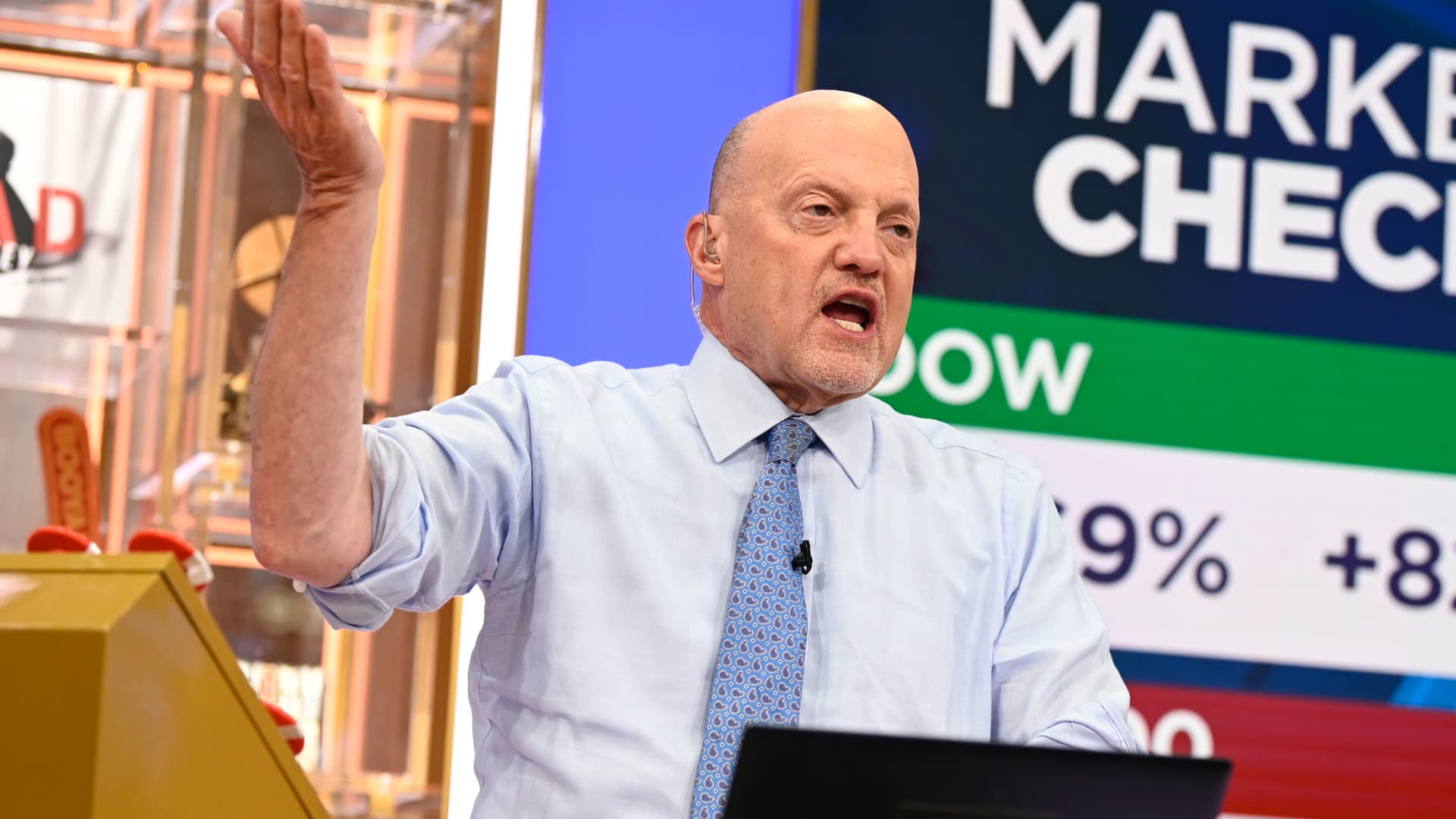
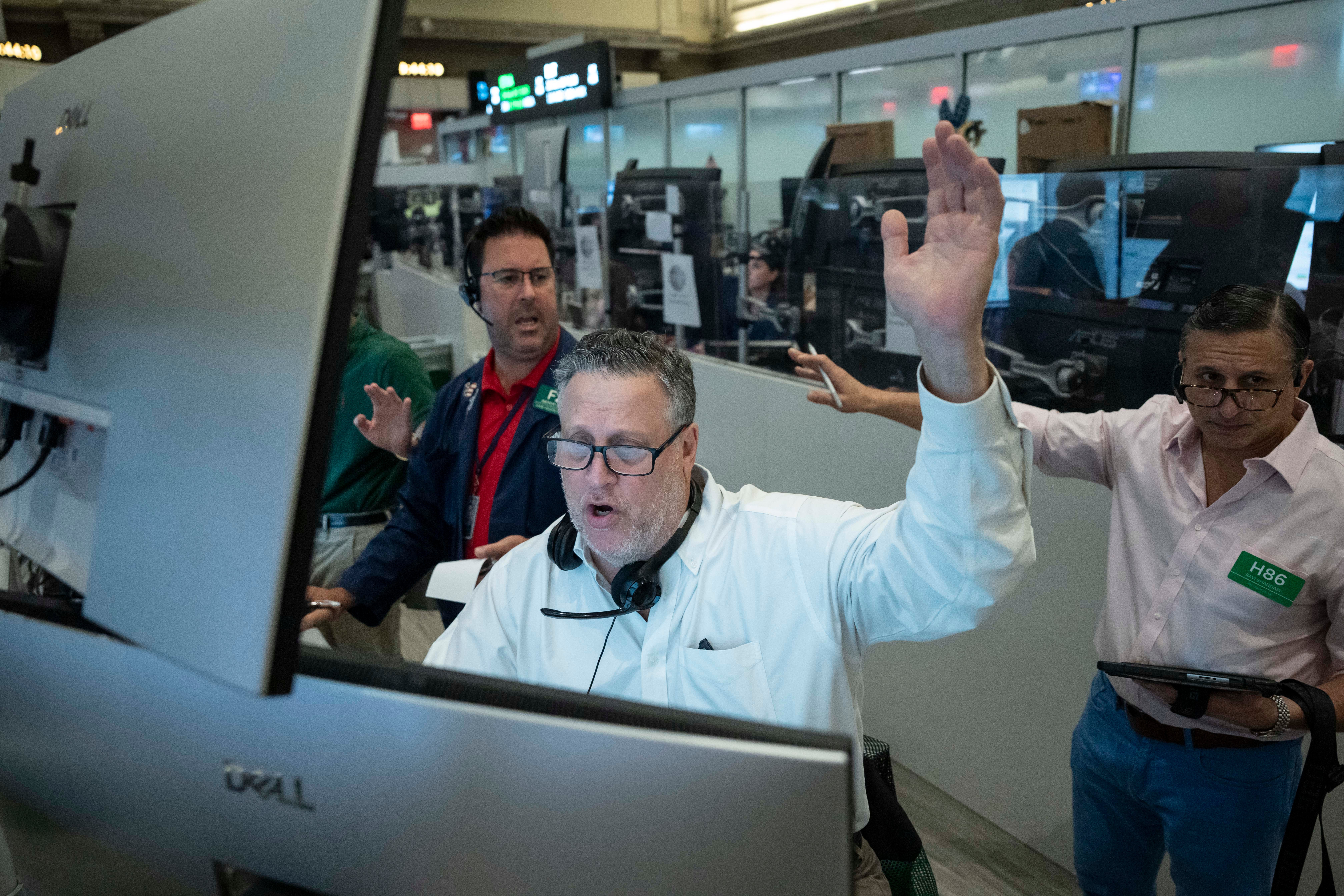
CNBC's Jim Cramer said Monday that Wall Street managed to stave off a much steeper sell-off as three of the market's biggest worries eased over the course of the session. The S&P 500 lost 0.48% after falling as much as 0.8%. The Nasdaq Composite declined 0.56% after being down 1.3%, while the Dow Jones Industrial Average fell 152 points, or 0.29%, after losing nearly 300 points at its low.
"At one point this morning, it looked like we were just going to crash," the " Mad Money " host said. To be sure, there was considerably more pain beneath the surface, particularly among stocks tied to the AI data center buildout. Anthropic CEO Dario Amodei's weekend essay urging the industry to slow the pace of model development rattled the trade, with Intel and Micron each falling about 5%, GE Vernova dropping nearly 9% and Eaton losing roughly 8%.
Cramer's Charitable Trust , the portfolio run by CNBC's Investing Club, owns shares of Intel, Micron, GE Vernova and Eaton. But Cramer pointed to three developments that helped the indexes bounce off their lows: oil reversed sharply, buyers emerged in the Treasury market when the 10-year yield hit 5%, and fears that an AI slowdown would derail the data center buildout eased. Oil, which in recent weeks has been a thorn in the stock market's side, provided the first source of relief Monday.
West Texas Intermediate crude had surged roughly 4% to touch $102 a barrel, after Saudi Arabia closed a critical pipeline that bypasses the Strait of Hormuz, but gave back much of that gain to settle up only a little more than 1%. The bond market also stabilized. The 10-year Treasury yield climbed to 5% and reached its highest level since October 2023, but Cramer said that level finally attracted buyers after weeks of rising rates.
"Something happened that's been missing the whole time bonds have been on a rampage: buyers, actual buyers, came in and decided that 5% was a good yield," Cramer said. "That's right, not everyone hates bonds at any price." The third shift came in AI. Amodei's essay initially raised fears that slowing the development of increasingly powerful models could also slow the enormous amounts of money flowing into the infrastructure needed to support them, hurting the businesses of chipmakers and industrials alike.
"Most important, the biggest theme of our era, artificial intelligence, looked like it was going on the ropes because of a self-induced slowdown mode," Cramer said. "That could snap shut the biggest spigot of cash in history." But by the end of the session, Cramer was less concerned that the push for greater AI safety would materially change the data center buildout. "As we got our arms around the forced AI slowdown that the big guns, Open AI and Anthropic, now seem to favor, we decided it wasn't the end of the world," Cramer said.
"In fact, we left this session convinced that not much in the data center world would change at all."
Source: CNBC