Politics · Sun Belt Post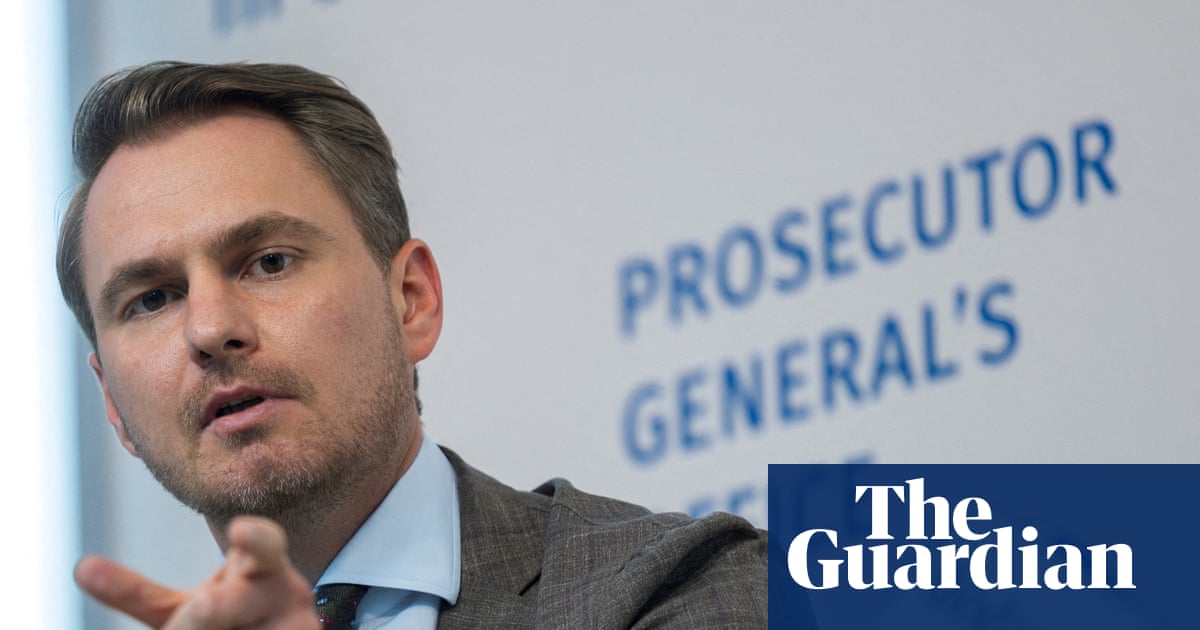
Ukraine’s prosecutor general, Ruslan Kravchenko, resigned amid corruption allegations after anti-graft officers conducted raids on his offices, uncovering a money-laundering scheme linked to illegal call centers. Investigators found evidence of a corrupt network laundering millions of dollars through these operations. A deputy of Kravchenko was remanded in custody on suspicion of money laundering.
Kravchenko denied the charges, calling them 'completely unsubstantiated' and stating he did not want the prosecutor general's office to be used for political purposes. His resignation followed protests in 2025 that forced President Volodymyr Zelenskyy to reverse efforts to centralize control over Ukraine’s anti-corruption agencies, the National Anti-Corruption Bureau (NABU) and the Specialised Anti-Corruption Prosecutor’s Office (SAPO).
The turmoil in Kyiv has intensified with recent political and military developments. Zelenskyy sacked the defense minister and later the military commander-in-chief due to internal feuds. Meanwhile, Russia resumed attacks on Kyiv, including drone strikes on Boryspil and Fastiv districts, prompting an air raid alert in the capital. The Kremlin stated it did not rule out further negotiations but avoided specifying details.
In other developments, Ukraine struck a Russian oil refinery in Ryazan and damaged oil-processing facilities in Perm and Tatarstan, with regional governors confirming injuries. A Russian attack damaged a British-American Tobacco plant in Pryluky, causing no known injuries. The Zaporizhzhia nuclear plant, under Russian control, restored off-site power via the Ferosplavna power line after repairs during a ceasefire brokered by the International Atomic Energy Agency.
Latvia plans to impose a 300% tariff on Russian and Belarusian grain imports, citing recent escalations in transit routes. The UN human rights chief expressed horror over reports of fully autonomous Russian drones killing three Ukrainians. The New York Times reported that a Russian AI-guided drone killed three civilians in Zaporizhzhia on 6 July, highlighting concerns over autonomous weapons.
US negotiators in Kyiv reported a new willingness from Russia to engage in talks, though this contradicts statements from Donald Trump’s administration, which has repeatedly described Putin’s stance as purely maximalist.
Source: The Guardian