Politics · Sun Belt Post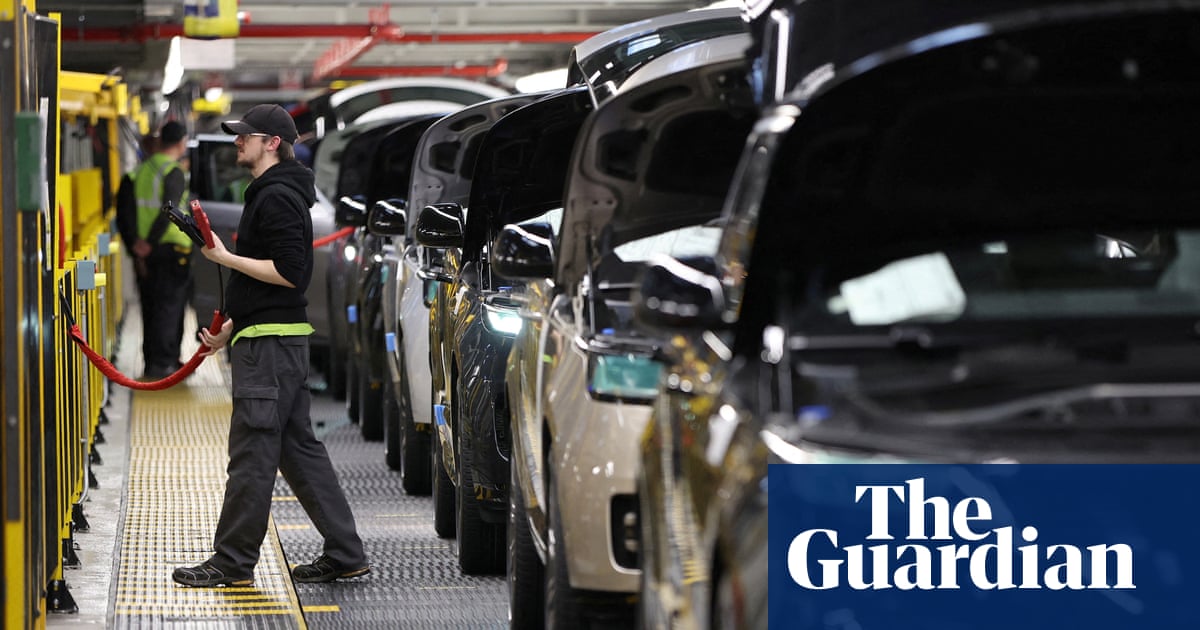
Thousands of workers at Jaguar Land Rover (JLR) will be offered redundancies after Britain’s largest car manufacturer faced falling revenues due to falling sales, a cyberattack, and tariffs imposed by Donald Trump. JLR informed workers and their union on Saturday that a voluntary redundancy programme would be introduced for salaried and management team members, with reports suggesting up to 4,000 jobs could be cut over two years. The company, owned by Indian conglomerate Tata Motors, needs to save about £1.7 billion over the next two years.
Unite’s general secretary, Sharon Graham, and the business secretary, Jonathan Reynolds, are set to meet with JLR’s chief executive, PB Balaji, next week to discuss measures to mitigate job losses. About 30,000 of JLR’s 44,000 employees are based in the UK, primarily at 14 plants in the West Midlands, where the company is a major employer. The job cuts will be a concern for Prime Minister Andy Burnham, who has emphasized the importance of safeguarding sovereign manufacturing and reindustrializing Britain.
Under Keir Starmer’s leadership, Labour previously committed to a £1.5 billion loan guarantee to support JLR after a cyberattack halted production for weeks, causing a 27% drop in production and costing around £200 million. The attack contributed to a profit before tax of just £14 million, down from £2.5 billion the previous year. Trump’s tariffs on vehicles, raised to 25% before a deal reduced them to 10% for the UK, further disrupted the carmaker’s operations.
Sales through dealerships fell by about 70,000 and 90,000 respectively. JLR’s CEO, PB Balaji, noted that these challenges were compounded by ongoing pressures in the automotive industry, including cost inflation, slower EV adoption, and deteriorating market conditions in China. The company recently launched its first electric Range Rover, priced at £154,070, aiming to appeal to climate-conscious buyers.
Source: The Guardian